 Destinations
 Hidden Gems of Western Australia: Beyond the Typical Tourist Trail
While most travelers stick to the East Coast, Western Australia (WA) offers some of the most raw and...
Read Article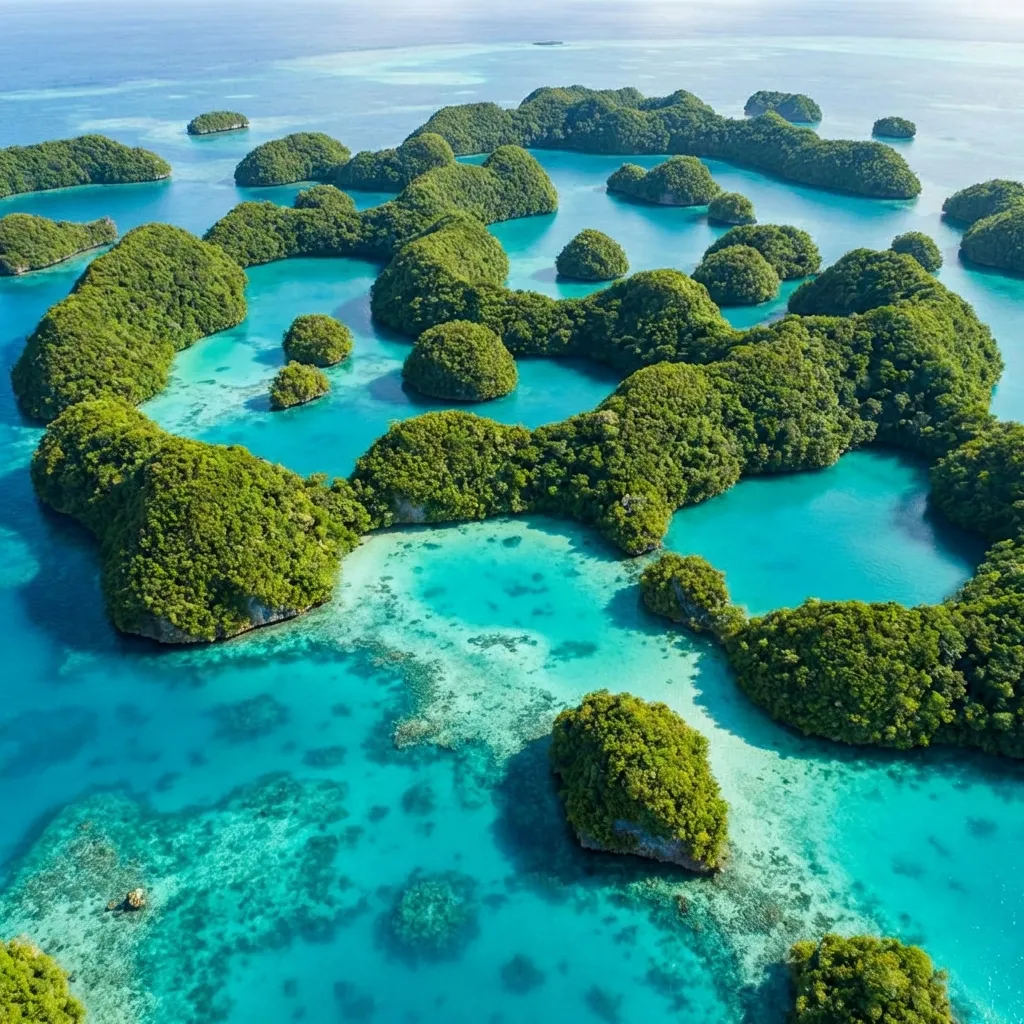
Primal limestone islands, emerald lagoons, and the world's first shark sanctuary
"Palau is not just a destination; it's a pledge. A pristine wilderness that remains as it was at the dawn of time."— Travel Insight
The crown jewels of the Micronesian archipelago
Over 400 limestone islands resembling green mushrooms scattered across a crystal-clear turquoise lagoon. This UNESCO site contains archaeological remains of ancient Palauan settlements.
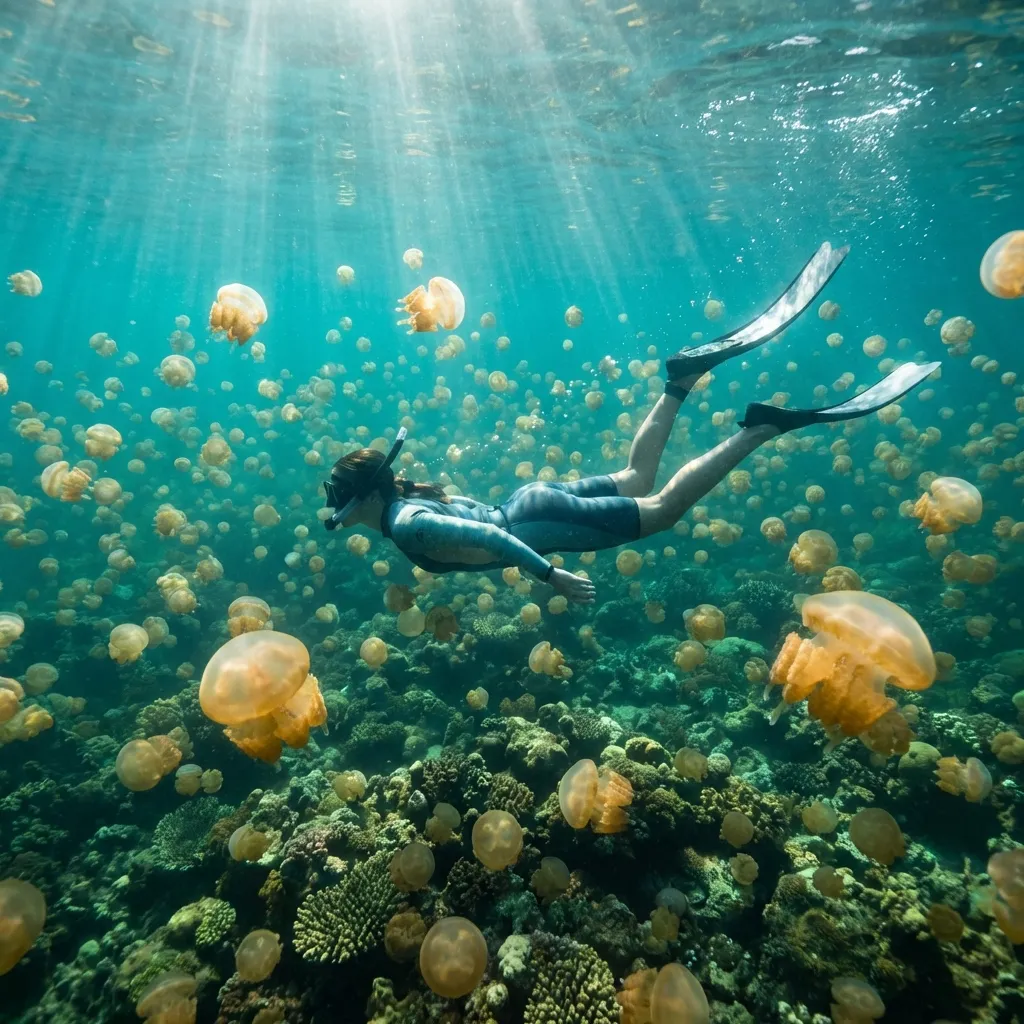
Millions of golden jellyfish migrate across this marine lake daily. Isolated for millennia, they have lost their sting, allowing for a truly otherworldly snorkeling experience.
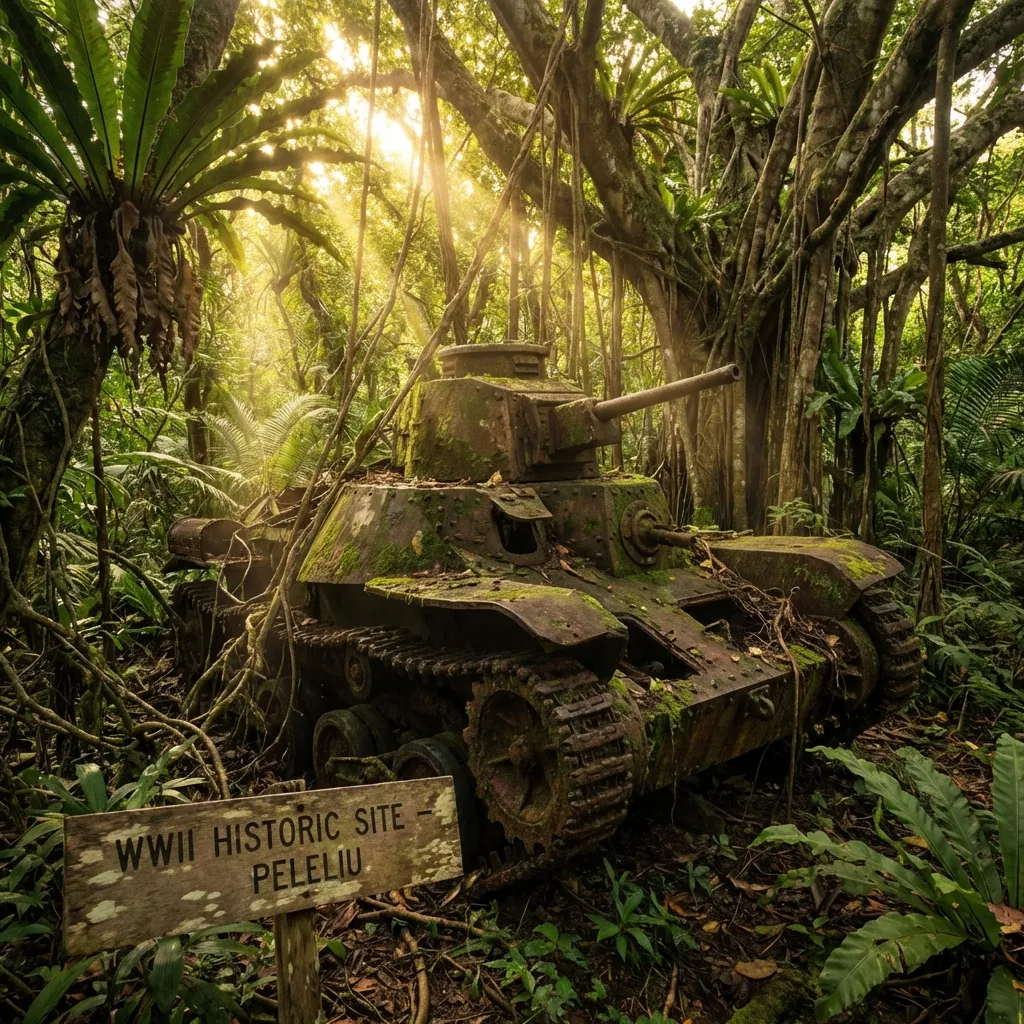
The site of one of the Pacific's bloodiest WWII battles. Today, the jungle has reclaimed wrecked planes, tanks, and bunkers, creating a somber "museum in the wild."
Palau is a peaceful nation, but its natural hazards and historical legacies require careful conduct.
Extreme tidal changes create powerful currents in the channels between islands. Never swim alone in open channels and always use a reputable dive operator with emergency oxygen and radios.
Palau is home to saltwater crocodiles in its mangrove areas. Do not swim in murky coastal waters near mangroves or river mouths. Pay attention to local signage at tourist beaches.
On Angaur and Peleliu, much of the unexploded WWII ammunition remains in the jungle. Do not wander off marked trails and never touch or kick metal objects you find on the ground.
Upon arrival, you must sign a commitment in your passport to act in an ecologically and culturally responsible way. This isn't just a formality—the Palauans take it very seriously.
Palau was the first country to ban sunscreens containing chemicals harmful to coral reefs. Purchase local brands or ensure yours is "reef-safe" before entering the water.
Discover and book unforgettable experiences across Palau
Discover more travel inspiration and expert tips for your next adventure
Destinations While most travelers stick to the East Coast, Western Australia (WA) offers some of the most raw and...
Read Article Destinations
 Australia is notorious for being expensive, but with the right strategy, you can experience its wond...
Read Article Africa
 Australia’s East Coast is the ultimate road trip destination. Stretching over 2,500 kilometers...
Read ArticlePalau is an island nation like no other. Comprising over 340 islands in the western Pacific, it has set a global standard for environmental conservation, becoming the world's first shark sanctuary in 2009.
The Rock Islands Southern Lagoon is the crown jewel of Micronesia. These ancient limestone formations are more than just a background for diving; they house the archaeological remains of Moneya peoples who lived here for millennia. The abandonment of these villages in the 17th century remains a poignant reminder of human fragility in the face of climate change.
For divers, Palau is the "Holy Grail." Sites like Blue Corner and German Channel offer sightings of manta rays, reef sharks, and thousands of schooling fish in some of the world's highest visibility waters. The nutrient-rich currents that flow through these channels are the lifeblood of the archipelago's massive biodiversity.
Travel in Palau is about minimal impact. By supporting locally-owned guest houses and using eco-tour operators, you contribute to a sustainable model that preserves this pristine wilderness. Palau asks one thing of its visitors: "Leave nothing but footprints, take nothing but memories."
Plan your journey to the world's most innovative marine sanctuary
Back to Destinations →